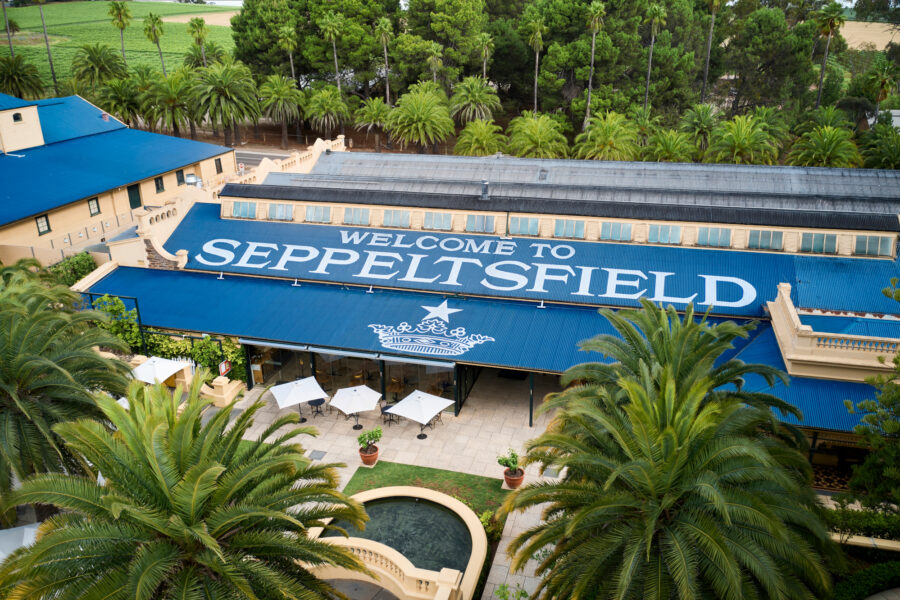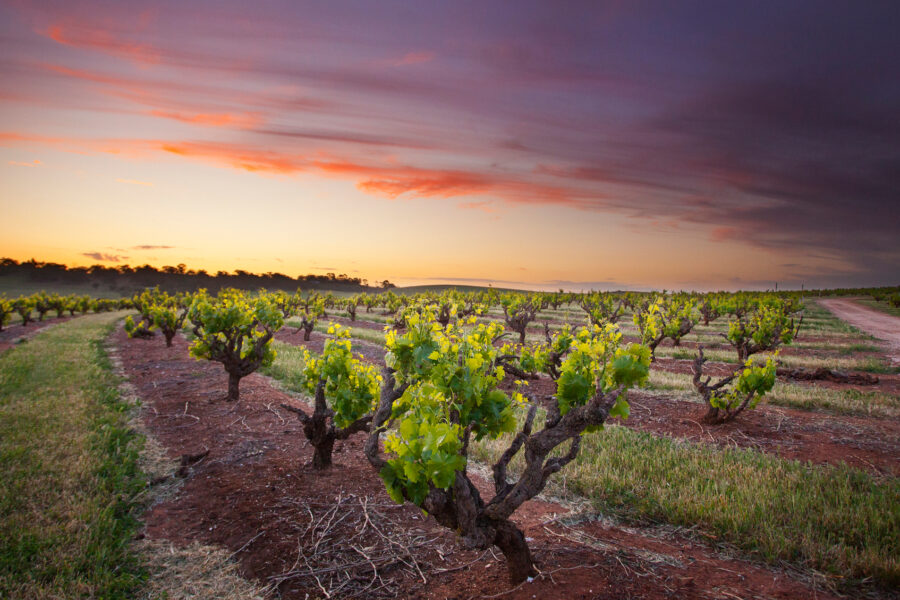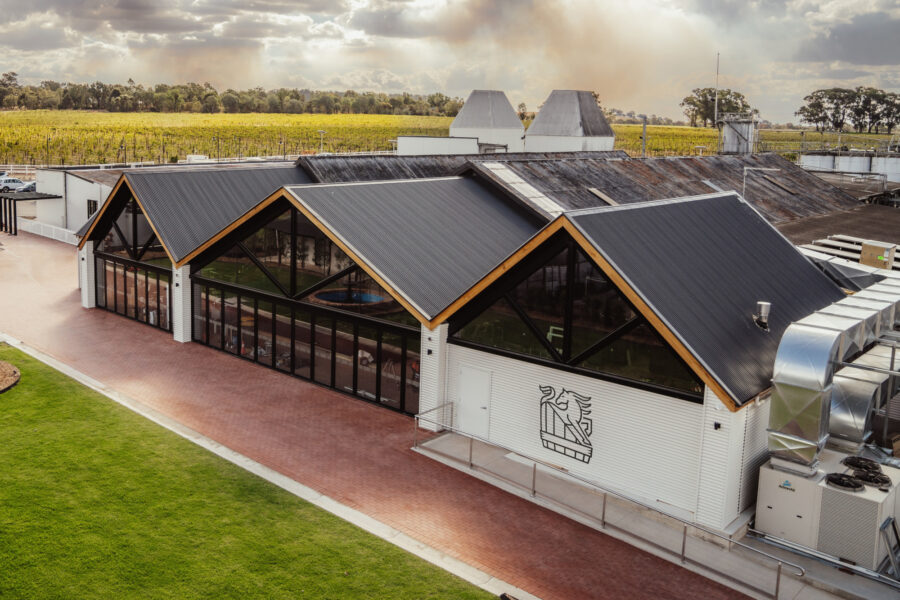
The 1925 South Australian vintage followed a ‘favourable’ and relatively mild growing season. At Seppeltsfield, Oscar Seppelt believed the Export Bounty Act 1924, had saved the industry from significant turmoil. An oversupply of wine grapes, largely the result of post-first world war soldier settlement schemes, and sluggish domestic demand in Australia had threatened widespread collapse. At the time the Seppelt family owned wineries in the Barossa, Griffith, Rutherglen and Great Western. Although it enjoyed relatively strong distribution and sales, it was not immune to the approaching crisis. But the new Export Bounty Act and imperial preferences would soon stimulate demand for Australian fortified wine in the UK. This would change perceptions about Australian wine for decades. The huge success of the Australian red wine boom (1880s-1910s) was largely forgotten and Australia became known outside its borders for making cheap fortified wines. This would have an impact on the reputation of Australian wine for generations. But economically, Federal Government policy, saved or at least delayed, the collapse of the ‘nation-building’ soldier settlement schemes. Meanwhile in the Barossa region Seppeltsfield, ‘the largest winery in the world’, was at full capacity as a result of a bumper crop in 1924 and above expected yields in 1925. According to a press report (Adelaide Advertiser July 1925), Seppeltsfield had made ‘considerably over one million gallons and had also purchased the equivalent of another million gallons.’
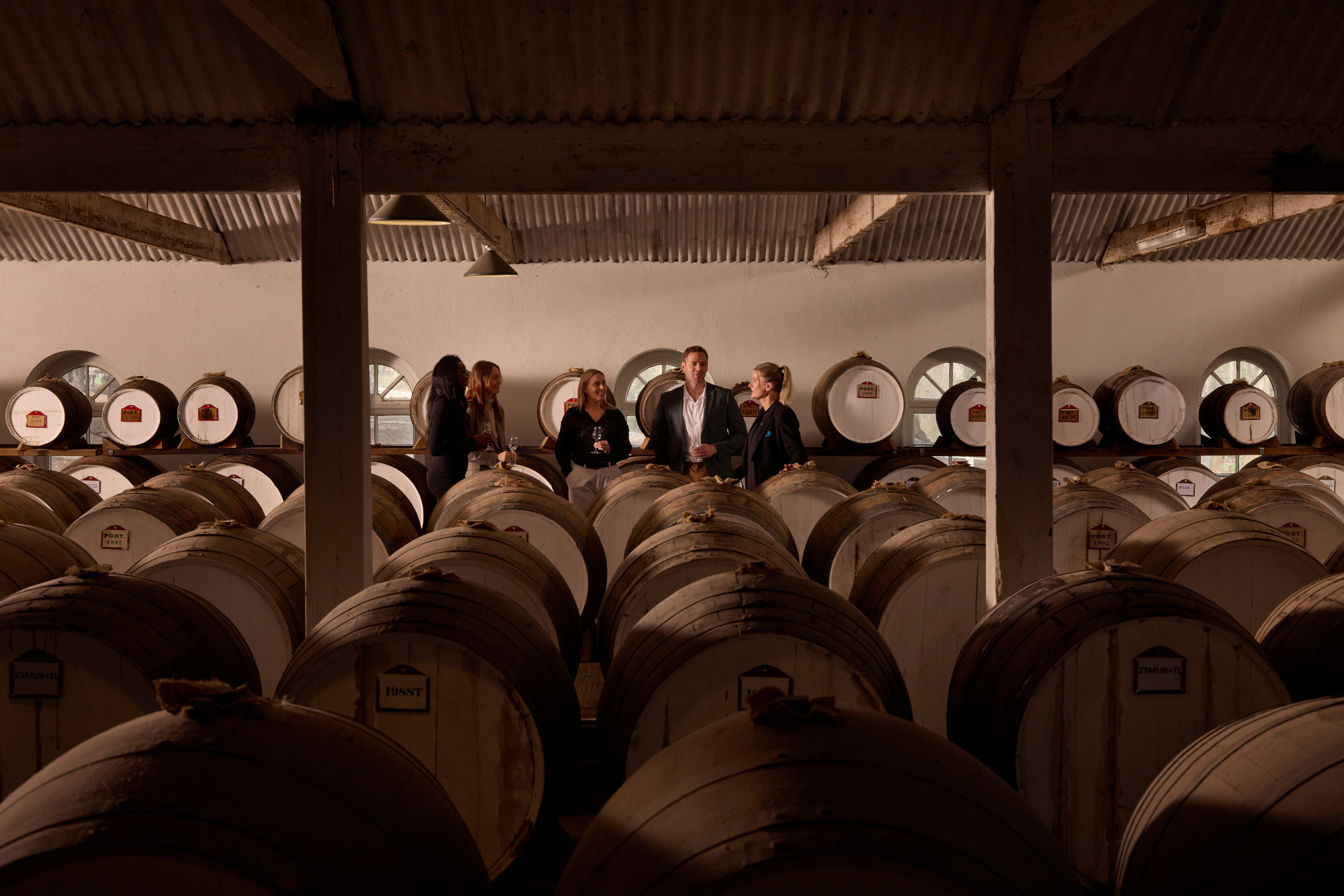
While the Export Bounty Act 1924 created new opportunities for Seppeltsfield during the following years, the winery continued the eccentric tradition of laying down a barrel of vintage tawny each year and for the contents to be matured for 100 years before release. Despite changes in ownership this tradition, first established in 1878, has always been prized as a proprietary institution. Foiled against the history of the Australian wine industry, the Seppeltsfield Centennial Collection of 100-Year-Old Para Vintage Tawnies is a reminder of the ambitions and sensibilities of previous generations. Our forefathers had big ideas for the future. In 1925 Seppeltsfield was a state-of-the-art winery with all the bells and whistles of a successful and technically progressive wine business.
The 1925 Seppeltsfield 100-Year-Old Para Vintage Tawny is a taste of the past through the prism of the present. Through a 100-years of maturation, evaporation, temperature oscillations and changes in atmospheric pressure, the wine has evolved and transmogrified into a rare elixir. By virtue of history it straddles modernity, the world in conflagration, advances in technology and profound changes to Australian life. The transcendent 1925 Seppeltsfield 100-Year-Old Para Vintage Tawny is a living wonder of the wine world and a rare ethereal experience for those who have the luck to taste it.
The transcendent 1925 Seppeltsfield 100-Year-Old Para Vintage Tawny is a living wonder of the wine world and a rare ethereal experience for those who have the luck to taste it.
1925 Seppeltsfield 100-Year-Old Para Vintage Tawny
Deep colour. Intense lifted ground coffee, praline, panforte aromas with smoky, liquorice, aniseed, cloves notes. Generously concentrated, dense and richly flavoured with fresh espresso, dark chocolate, orange rind, sandalwood cloves notes, fine supple textures, superb mid-palate volume/ viscosity and a persistent pure aniseed cut. Finishes smoky and long with apricot, panforte notes. A wonderful expression of Australian wine history and ambition. A living curio to share. Drink now – keep 23% alc 100 points